
Pregnancy and Childbirth are Defining Life Experiences
Blood clot awareness is a crucial aspect of the maternal health timeline.
Pregnancy Care and Clotting Awareness
During pregnancy, delivery, and the postpartum period, a woman’s body undergoes natural changes that may increase the risk of blood clots.
Understanding these changes, recognizing symptoms, and having informed conversations with healthcare providers can help ensure safer care for women and families.
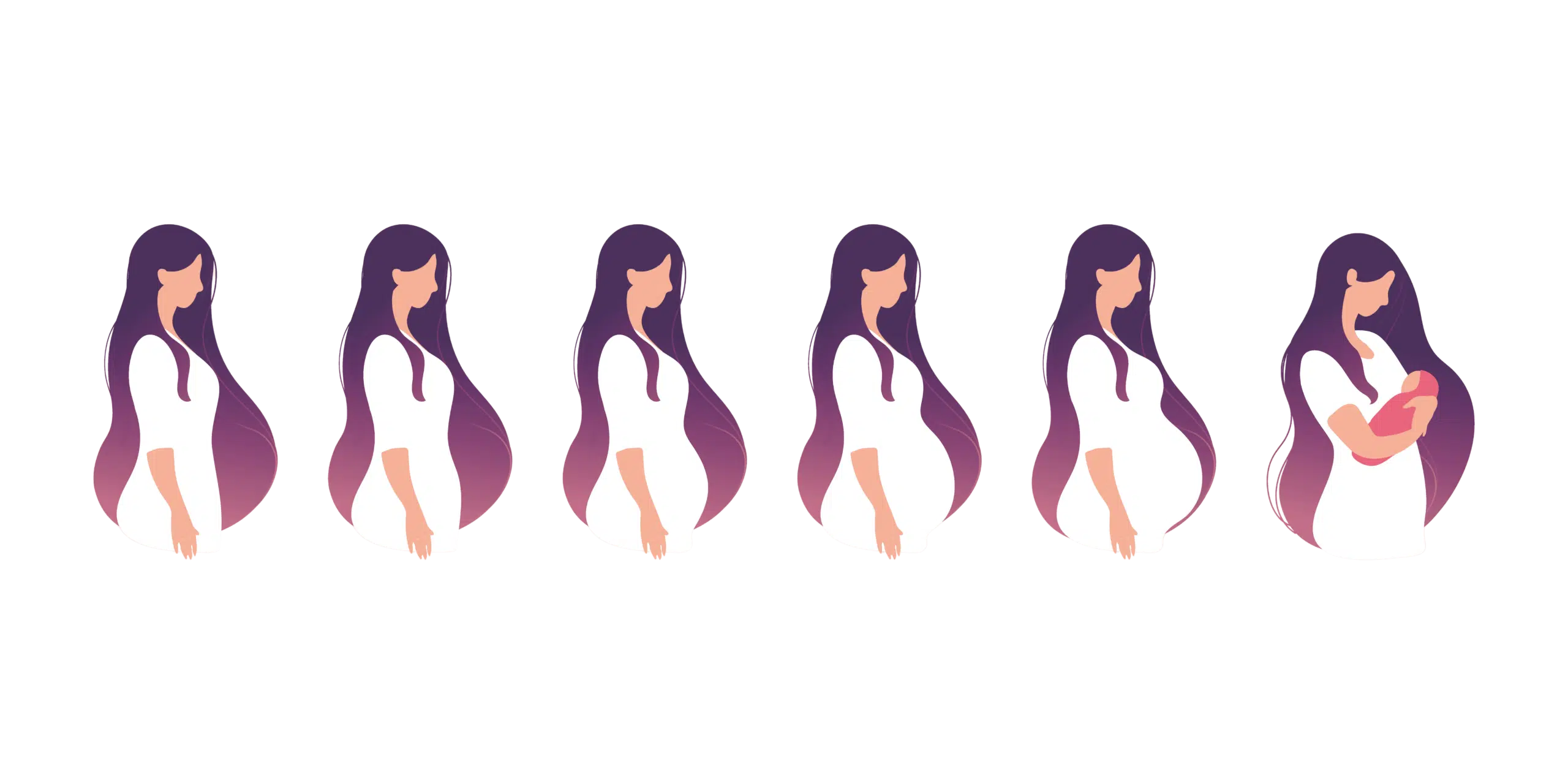
Planning for Pregnancy: Preconception Conversations
Pregnancy planning often begins before conception. For women considering pregnancy, a preconception visit with a healthcare provider can be an opportunity to review overall health and discuss factors that may affect pregnancy, including the risk for blood clots.
These conversations do not need to be complex. In many cases, they are a routine part of care and may include a review of medical history, medications, and any prior pregnancy experiences.
For some women, this may be the first time clotting risk is discussed in the context of pregnancy. Topics may include:
Not every woman will have identifiable risk factors. However, understanding your health profile in advance can help support more informed decisions and provide a clearer starting point for care.
A preconception visit can also help establish a relationship with a provider and create space for questions. For women who already know they have certain risk factors, it may allow time to plan for pregnancy with appropriate monitoring or guidance.
Early conversations can support more informed care throughout pregnancy and after delivery.
Understanding Clotting Risk in Pregnancy
Pregnancy is a life stage marked by significant physical and hormonal changes. These changes are normal and help support pregnancy and prepare the body for childbirth. At the same time, pregnancy creates a temporary hypercoaguable state, meaning the blood is more likely to clot.
Anyone can develop a blood clot, but during pregnancy and for three months after the baby is born, the risk for clotting is higher compared to non-pregnant women.1
Pregnancy-associated venous thromboembolism (VTE), which includes deep vein thrombosis (DVT, a blood clot in the leg or arm) and pulmonary embolism (PE, a blood clot in the lung), occurs in approximately 1 to 2 out of every 1,000 deliveries,2 with the highest risk occurring in the six weeks following childbirth.3 In fact, pregnant women are four to five times more likely to experience a blood clot compared to those who are not pregnant.4
Hormonal shifts, including elevated estrogen levels, lead to higher levels of clotting factors and reduced natural anticoagulant activity. Uterine enlargement may place pressure on pelvic veins, slowing blood flow in the lower extremities. Together, these changes create a state in which clot formation is more likely than at other times in life.
For most women, pregnancy proceeds without serious complications. Still, awareness is important, specifically for those with additional risk factors or changes in mobility or delivery.
CLOTTING RISK & THE MATERNAL TIMELINE
Clotting risk during pregnancy is not static. It can shift over various stages of the material timeline:
This progression underscores the importance of providing women with information not just during pregnancy, but also before they are discharged after the baby is born and throughout their recovery after giving birth.
FACTORS THAT MAY INCREASE RISK
Risk for blood clots during pregnancy and after delivery may be affected by a combination of personal, medical, and situational factors:
In many cases, these factors are temporary or part of necessary care.
Understanding how they apply to you can help guide conversations and support appropriate follow-up.
Bed Rest and Limited Mobility
Periods of reduced movement circulation may affect circulation.
Some women may be advised to limit activity during pregnancy because of complications such as preterm labor, high blood pressure, or other medical concerns. While these recommendations are intended to support pregnancy outcomes, reduced movement may slow blood flow, particularly in the legs, thereby increasing the risk of clot formation.
Reduced mobility may also occur outside of formal bed rest, including:
- Hospital stays during pregnancy
- Recovery following delivery
- Extended travel
- Periods of fatigue or discomfort that limit movement
Movement plays an important role in circulation. When movement is limited, awareness becomes especially important.
Women can talk with their healthcare provider about:
- Safe movement or positioning
- Hydration
- Symptoms to watch for
- Whether any additional precautions are appropriate

Cesarean Delivery and Recovery
Delivery method may influence clotting risk.
Cesarean delivery is a common and often necessary procedure. As with any surgery, it may be associated with an increased risk for blood clots compared with vaginal delivery.
This is related to several factors, including:
- Surgical activation of clotting pathways
- Reduced mobility during recovery
- Longer periods of hospitalization in some cases
For many women, this does not lead to complications.
However, understanding the potential for increased risk allows for more informed planning and recovery.
Care teams may support recovery through:
- Encouraging early, gentle movement when medically appropriate
- Monitoring for symptoms
- Using supportive measures such as compression devices during hospitalization
- Recommending additional precautions for women with higher risk profiles
A cesarean delivery does not mean a complication will occur, but it makes awareness and follow-up especially important.

After Delivery: The Postpartum Period
Maternal health continues after childbirth.
The risk for blood clots is highest after childbirth, particularly in the weeks immediately following delivery, and may remain elevated for up to 12 weeks postpartum.7
This period is often marked by a major transition.
Women may be recovering physically, adjusting to new routines, and focused on caring for a newborn. At the same time, they may have less direct contact with healthcare providers than during pregnancy.
Factors such as cesarean delivery, prolonged immobility, dehydration, infection, or complications during pregnancy may also influence risk during this time.
Women are often discharged within a few days of delivery. Clear, practical information about symptoms and when to seek care is essential to postpartum recovery.
Postpartum care includes your health, not just your baby’s. Maternal health also includes mental health, access to support, and the experience of being heard throughout care.


For some women, particularly those at higher risk for blood clots, a prevention plan may be part of prenatal and postpartum care.
This does not apply to every pregnancy. However, for women with certain risk factors, including a personal history of blood clots or underlying clotting disorders, healthcare providers may recommend steps to help reduce risk and support safe recovery.
A prevention plan is individualized and may include:
Certain anticoagulant medications, such as low molecular weight heparin, are commonly used during pregnancy when needed and do not cross the placenta. They may also be considered compatible with breastfeeding. 8 9
Not all women will require preventive treatment. The goal is to assess individual risk and determine whether any steps are appropriate based on personal health history and the course of pregnancy.
IDENTIFYING SYMPTOMS
Blood clot symptoms can vary and may sometimes be mistaken for normal discomfort associated with pregnancy or recovery. Awareness can support earlier recognition and care.
POSSIBLE SIGNS OF A BLOOD CLOT IN THE LEG OR ARM:
CONTACT YOUR HEALTHCARE PROVIDER IF YOU EXPERIENCE ANY OF THESE SIGNS OR SYMPTOMS.
POSSIBLE SIGNS OF A BLOOD CLOT IN THE LUNG:
SEEK IMMEDIATE MEDICAL CARE OR CALL 911 IF YOU EXPERIENCE ANY OF THESE SYMPTOMS.
Informed Conversations
Clear information supports better decisions.
Conversations about clotting risk should be part of routine maternal care. They should be clear, practical, and tailored to each woman’s experience.
At the Rowan Foundation, we believe:
- Women deserve to understand how clotting risk may relate to pregnancy and childbirth
- Questions should be encouraged and addressed clearly
- Information should be available and pertinent to practical-world experiences
- Patient voice and personal experience are essential to improving care
We are committed to closing awareness gaps by providing resources that support informed decision-making and meaningful conversations between patients and providers. These conversations may begin before pregnancy, during a preconception visit, and continue throughout pregnancy and postpartum care.
Better conversations can begin with the right questions.
Use our Pregnancy Discussion Guide & Questions Checklist to help support more informed conversations with you healthcare team throughout pregnancy and postpartum care.
Information supports awareness. Awareness supports better care.
Pregnancy and childbirth involve many changes and decisions. Understanding the risk of blood clots, recognizing symptoms, and asking informed questions can help support safer, more confident care throughout pregnancy, delivery, and recovery.
Personal Stories
Read the stories of women who have experienced blood clots linked to pregnancy and childbirth:
- Alice shares her story about pregnancy and blood clots following the birth of her son.
- Anne shares her story about a missed blood clot diagnosis during pregnancy.
- Faye recounts her dramatic experience with blood clots during pregnancy.
- Jasmine tells her story about pregnancy induced blood clots.
- Kimberly recounts her story involving pregnancy, blood clots, and antiphospholipid syndrome.
- Kristi tells the story of her blood clot experience following a C-section.
- Savannah shares her experience with blood clots and pregnancy.