
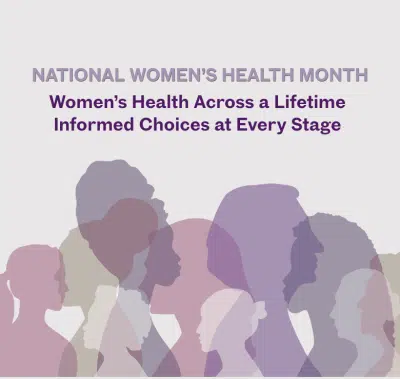
 May is National Women’s Health Month, a time to encourage women to focus on their physical, mental, and emotional health. It also acts as a reminder that women’s health needs change over time. Preserving overall health requires both prevention and informed decision-making.
Within this broader observance, National Women’s Health Week occurs each year, beginning on Mother’s Day. This year, it runs from May 11 to May 17, and highlights steps women of all ages can take to live healthier lives. The U.S. Department of Health and Human Services Office on Women’s Health leads this program.
Women as Informed Participants in Care
At the Rowan Foundation, we believe that it’s essential for women to be informed participants in their care. Women’s health is not one-size-fits-all. Priorities shift, life circumstances change, and decisions vary widely across life stages. What matters at 22 may look different at 32, 42, or 62. That is why access to clear, balanced information is vital throughout life.
For some women, making informed choices may mean selecting a contraceptive method that fits their health needs and lifestyle. For others, it may mean planning for pregnancy, navigating childbirth, understanding postpartum recovery, or managing menopause symptoms. These choices are personal and can be complex, especially when confronted by conflicting advice, information overload, or limited time during medical visits.
Good decisions stem from understanding, trust, and meaningful discussions with healthcare providers, not from pressure or confusion.
Education is Essential
At the Rowan Foundation, we view education as essential to achieving better health outcomes. Women need to understand not only the benefits of various options but also the risks and factors that may accompany them. When women feel informed, they are more likely to ask questions, voice concerns, and actively participate in decisions about their care.
This is especially important when discussing blood clot risks. Certain health choices, such as hormonal contraceptives, pregnancy-related care, and hormone therapy for menopause symptoms, call for careful discussion with healthcare providers. Personal and family medical histories, symptoms, and other health factors are important.
National Women’s Health Month and National Women’s Health Week also remind us that health goes beyond medical decisions. Preventive care, physical activity, nutrition, stress management, mental health, sleep, plus supportive relationships are essential to overall well-being.
Rowan Foundation Resources
To support women in these discussions, the Rowan Foundation offers a growing inventory of educational resources covering key topics throughout life. Through the Foundation’s online resource center, readers can find information about women’s health and clotting, including resources focused on contraception decision-making, pregnancy and maternal health, menopause-related factors, and general blood-clot awareness.
This May, especially during National Women’s Health Week, we encourage women to take time for themselves, ask questions, learn more, and obtain trustworthy information. Informed decisions can lead to greater confidence, peace of mind, and improved health outcomes at every stage of life.
Learn more about Women’s Health & Clotting
Read more about Healthy Living by Age, from the U.S. Department of Human Health & Services, Office on Women’s Health.


