
 The holiday season brings joy, connection, and shifting routines, which can affect holiday wellness for women in many ways. These changes often create busy days and added pressure, especially for women who balance family, work, and their own health needs. Simple awareness helps you stay grounded and feel more supported during this meaningful time.
Why Holiday Routines Affect Women’s Health
Schedules change during the holidays. Many women sit for long periods while traveling, skip meals due to activities, or forget to take their daily medications on hectic days. Some women change sleep patterns or experience higher stress, which can affect circulation, energy levels, and overall well-being. If you take hormonal contraception, these changes can matter even more. Hormonal birth control that contains estrogen increases risks for blood clots. When holiday routines shift, staying aware helps you protect your health and respond early if something feels wrong.
Travel Smart: Protect Your Circulation
Many holiday trips involve long periods of sitting in a car, on a train, or on an airplane. Sitting for long stretches slows blood flow, especially in the legs. Slower blood flow increases the risk of clot formation.
 Here are simple ways to support healthy circulation while you travel:
- Stand, stretch, and move your legs every hour when possible
- Flex and point your feet several times if you cannot stand
- Drink water instead of sugary or dehydrating drinks
- Avoid crossing your legs for long periods
- Wear loose clothing that does not restrict blood flow
- Consider compression socks if you take hormonal contraception or have a family history of clotting disorders
These steps help keep your blood moving and lower your risk for deep vein thrombosis, which is a clot that forms in a deep vein of the leg.
Keep Track of Medications and Daily Routines
The holidays interrupt normal rhythms. Many women take hormonal contraception every day at the same time. Missed pills or inconsistent use can trigger unexpected side effects or disrupt the way the medication works. Set phone reminders or keep your medicines with your travel documents or cosmetic bag so you can reach them easily.
Women who take blood thinners or have experienced a past clot may also need to maintain a consistent schedule. Make a simple checklist before you travel so you stay organized and avoid missed doses.
Manage Seasonal Stress in Practical Ways
Stress rises for many women during the holidays because of travel demands, extra responsibilities, and family expectations. High stress affects sleep, appetite, and energy levels. Stress can also affect motivation to stay active or eat well. These changes matter because factors like fatigue, dehydration, and inactivity can increase risks for blood clots.
You do not need a complex plan to manage stress. Short walks support mental clarity. Short breathing exercises help steady the nervous system. Reaching out to a friend or family member for support can help you feel anchored. Even ten minutes of movement or fresh air can improve circulation and mood.
Recognize Symptoms Early and Trust Your Body
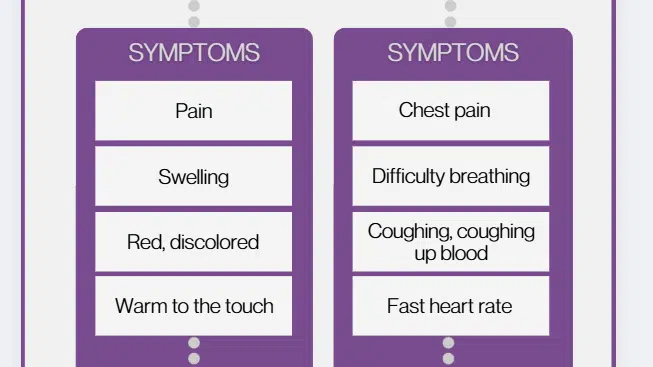
Awareness protects health during the holidays. Know the symptoms of a potential blood clot in the leg or in the lung. Symptoms of a clot in the leg, also called deep vein thrombosis, include leg swelling, cramping-like pain, warmth, and redness. Symptoms of a clot that travels to the lung, called a pulmonary embolism, include shortness of breath, chest pain, coughing, rapid heartbeat, or feeling lightheaded.
If you notice symptoms or something doesn’t feel right, trust your instincts. Seek urgent medical care. Early recognition saves lives.
Support Your Health with Simple Habits
You do not need a perfect holiday routine. You only need consistent, small choices that support your health. Eat regular meals when possible. Drink enough water. Move your body every day, even for a few minutes. Rest when your body signals that it needs a break.
Women often prioritize others during the holidays. Make sure to protect your own well-being. Awareness and self-care help you enjoy the season with energy and peace of mind.
Look Ahead With Confidence
The holidays remind us that connection and health both matter. A little planning and awareness can help you navigate travel, gatherings, and changed routines with more comfort and safety. When you trust your body and respond early to symptoms, you give yourself the gift of peace during a busy and often emotional season.
Take care of yourself, enjoy the moments that matter, and stay aware of the steps that protect your health.
Read more about blood clot prevention.


