
AFTER
The Long Middle: Life After a Blood Clot
By Sara Wyen, Founder of Blood Clot Recovery Network
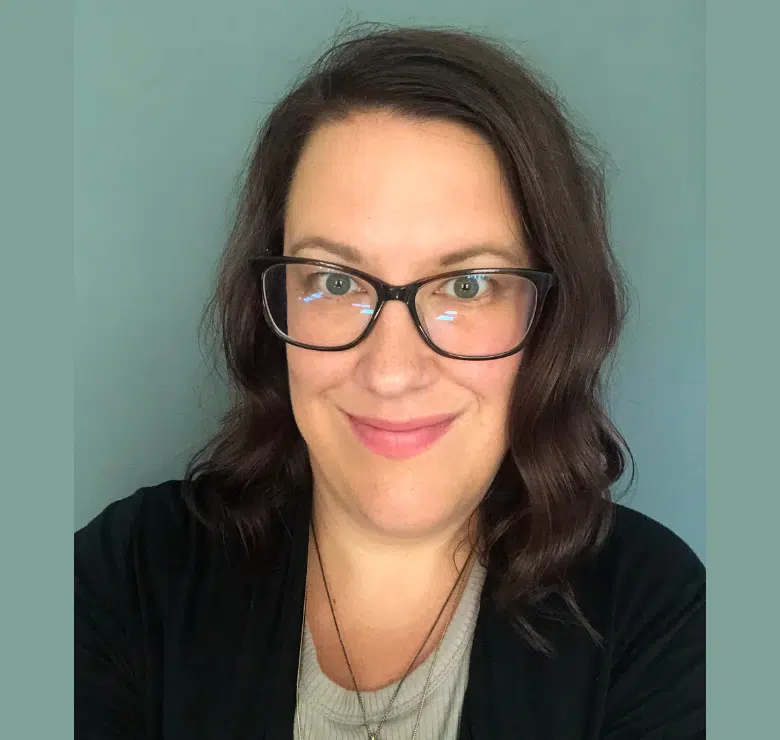 It started with pain in my leg.
At first, it seemed like something minor. However, when I discussed the pain with my doctor and also described feeling short of breath, the tone of the conversation changed immediately. I was told to go straight to the emergency room.
Within hours, I learned that what I thought might be a minor issue was something much more serious. I spent the next ten days in the ICU being treated for life-threatening blood clots.
Those early days were frightening. However, I did not realize that this experience would mark the beginning of a longer journey.
The Questions That Follow
After the immediate crisis passed, I began asking questions that many blood clot survivors face: Why did this happen? Will it happen again? What does this mean for my future health?
Eventually, I learned that I have antiphospholipid syndrome (APS), an autoimmune condition that increases the risk for blood clots. For some women, clotting events may also occur in connection with hormonal birth control, pregnancy, surgery, or other medical factors.
Understanding how these risks fit together can take time. Many patients leave the hospital with treatment plans, but they still search for answers about what caused their clot and what life will look like moving forward.
When Clotting Changes Women’s Health Decisions
For women in particular, a clot diagnosis can complicate decisions that once felt routine.
Conversations about birth control, pregnancy, or hormone therapy may need to be revisited. Questions about medications, family history, and long-term health risks often become part of daily life.
Even small changes can require attention. Things that once felt ordinary, such as travel, illness, or changes in routine, may now require more planning and awareness.
 The Emotional Side of Recovery
 The Emotional Side of Recovery
Recovery from a blood clot is not just physical.
Many survivors describe a period of adjustment that includes uncertainty and a heightened awareness of symptoms that once seemed ordinary. A sore calf or a moment of breathlessness can suddenly seem much more serious when you know firsthand what a blood clot can do.
Through the Blood Clot Recovery Network, a blog and support community I lead, I see these concerns every day. Thousands of members share questions about medications, lingering symptoms, travel precautions, blood clot recurrence, and how to regain confidence in their health.
For many survivors, connecting with others who understand the experience becomes an important part of recovery.
The Long Middle
The period after any diagnosis is sometimes called the “long middle,” referring to the time between a medical emergency and the point where life begins to feel stable again. During this time, people are learning about their bodies, adjusting to new health realities, and trying to understand what happened as well as the path forward.
During Blood Clot Awareness Month, it’s important to note that health awareness campaigns can play an important role in helping people recognize blood clot symptoms quickly. However, it is also an important time to acknowledge the longer journey that many patients experience after their initial diagnosis or medical crisis.
Recovery rarely happens all at once.
Moving Forward
For many survivors, experiencing a blood clot changes how we think about health, risk, and the importance of listening to our bodies. Education, supportive communities, and open conversations with healthcare providers can all help people navigate life after a clot.
The emergency may be the moment that saves a life. However, the months and years that follow are when many survivors learn how to live fully again.
To read more about recovery and lifestyle issues following a blood clot diagnosis, visit the Blood Clot Recovery Network website.
Blood clot survivors and their family members can join the Blood Clot Recovery Network support group on Facebook.
For additional information and educational tools about women’s health and clotting, visit the Rowan’s Foundation’s “Resources” webpage.


