
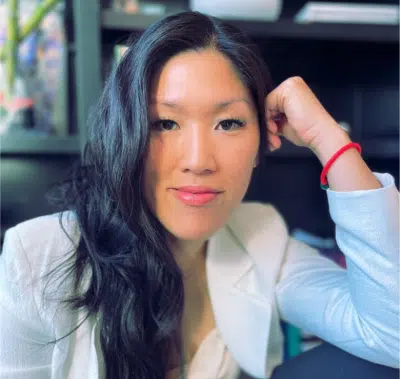
Dr. Nguyen, the Rowan Foundation’s Medical Advisor, is an experienced OB/GYN, digital health innovator, and passionate advocate for empowering young people with life-changing knowledge. She co-founded Taboos, a platform that teaches teens to navigate sexual and emotional health with confidence.
As an OB/GYN, I often counsel women during key moments in their reproductive health. This includes beginning contraception, managing pregnancy, and navigating menopause. Each of these stages can be both exciting and challenging. However, these life stages are also when a woman’s risk for blood clots increases, sometimes leading to serious complications and even death.
What strikes me is that — even after decades of progress in women’s health — women’s lived experiences remain underrepresented in the very research meant to guide these decisions. This lack of representation leaves a gap between the clinical guidance we provide and the realities women face. Ultimately, the health system asks women to weigh clotting risks during their most vulnerable life stages without the full support of science that genuinely reflects their biology and circumstances.
The Gender Gap in Research
History reveals the extent of this gap: It was not until the passage of the NIH Revitalization Act in 1993 that federally funded clinical trials were even required to include women. Yet, even today, analyses show that women remain disproportionately underrepresented in cardiovascular and thrombotic research.
This underrepresentation is a major oversight. The risk of blood clotting varies among different populations. In women, biology, reproductive changes, and hormonal exposures directly drive this connection. When trials do not reflect women’s real-life experiences, the data clinicians rely on become incomplete, and the guidance provided fails to account for the complexity of women’s choices.
Hormonal Contraception and Clot Risk
One clear example is combined hormonal contraception. Years of research have shown that women who use contraception methods (including the pill, patch, and ring) that contain both estrogen and progestin increase their risk for dangerous blood clots by a factor of two to nine compared to women who do not use them. For women with inherited clotting conditions, such as factor V Leiden, this risk is significantly higher. Despite this evidence, many women still report that they were never advised about the clotting risk when starting contraception. For a teenager or young adult making her first reproductive health choices, the lack of clear, accessible information can pose serious health risks. Women should carefully consider all of their contraception options, and in consultation with their healthcare provider choose one that fits their personal preferences and health needs.
Pregnancy and Postpartum
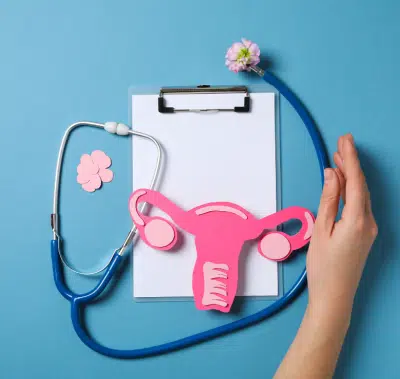 Pregnancy naturally makes your blood more likely to clot, which is a helpful way your body works to limit blood loss during childbirth. At the same time, this important change can come with some risks. In the United States, about one to two out of every 1,000 pregnancies are affected by dangerous blood clots, making it an important health consideration for moms-to-be. It’s a good idea to stay informed about these risks and discuss any concerns openly with your healthcare provider.
Blood clots are one of the leading causes of maternal death in the United States, and this danger doesn’t end at delivery. The postpartum period, especially the first six weeks after childbirth, carries the highest risk. For women with inherited clotting disorders or a history of previous blood clots, the risk increases significantly. However, international guidelines for testing, prevention, and management remain inconsistent, leaving many women and providers without clear guidance.
Menopause and Hormone Therapy
As women age, many consider menopausal hormone therapy to help manage hot flashes, sleep issues, and other challenging symptoms. However, it is important to remember that clotting risk is also a part of this decision. Research has shown that women on combined estrogen-progestin, particularly when taken in pill form, have twice the chance of developing a blood clot compared to those not on the therapy. However, recent studies show that transdermal estrogen or estrogen patches for menopause symptoms do not carry the same blood clot risks. As with contraception and pregnancy, genetic clotting disorders, high blood pressure, smoking, and obesity can compound women’s blood clot risks.
For many women, making this decision can be really difficult: choosing between relief from distressing symptoms and the worry about their risk for a dangerous blood clot. Because research hasn’t always fully considered women’s specific clotting risks, healthcare providers often have to rely on general findings instead of guidance tailored to women’s individual experiences and needs.
Why Women’s Voices Must Be Included
 Statistics and study results only tell part of the story. What they cannot show are the intimate, complex choices that real women face every day.
Imagine a 19-year-old thinking about starting birth control but unsure about her family’s history of clotting problems. Or consider a pregnant woman with a genetic clotting disorder carefully evaluating the safety of blood-thinning medications, while also contemplating the risks if her thrombosis remains untreated. Or picture a woman going through menopause, weighing whether the relief from severe symptoms is worth the slight chance of developing a clot. These situations all highlight the importance of striking a balance between benefits and risks when making health decisions.
These decisions are deeply personal, often made with limited research and inconsistent counseling. Without women’s voices included in research design, clinical trials, and policy-making, the guidance we provide remains inadequate, and women face the consequences.
The Rowan Foundation’s Role
The Rowan Foundation works to close this gap. Our focus is on improving the intersection of women’s health and clotting by supporting innovative projects, sharing patient stories, and making sure that those experiences reach healthcare providers and policymakers. However, no single organization can accomplish this alone. True change will entail systemic commitments, including:
- Requiring sex-specific analyses in all clotting trials.
- Funding targeted research that directly tackles clotting risks linked to hormonal contraception, pregnancy, and menopause.
- Involving patient advocates in study design, guideline development, and policy creation.
- Training providers to give clear, balanced counseling on clotting risks during reproductive decision-making.
A Call to Action
Awareness campaigns have moved us forward, but awareness alone cannot change outcomes. What women deserve, and what science demands, is equity in research design, funding, and policy. Decision-makers must seat women at the table when shaping clotting prevention and care.
At the Rowan Foundation, we believe this change is not only long overdue but also urgently needed. Full representation of women in clotting research is more than just about fairness. It is about achieving better outcomes, safer care, and saving lives. By recognizing and elevating the real-world experiences of women, we can create a future where data and lived experiences finally match and where no woman has to face life-changing decisions in the shadows of research blind spots.
Learn more about the work of the Rowan Foundation.


